
I received my Master of Science degree from the University of Washington School of Environmental & Forest Sciences under advisor Dr. Jonathan Bakker, P.I. of UW’s Terrestrial Restoration Ecology Lab. My research focus was the chemical ecology of Puget Sound prairie plants, using two forb species as my study system: the native hemiparasite Castilleja levisecta (golden paintbrush) and the exotic European Plantago lanceolata (narrowleaf plantain).
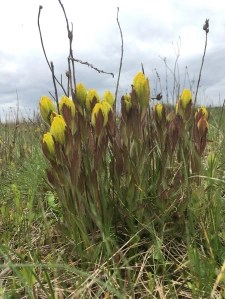
The Castilleja genus is hemiparasitic, meaning these plants can carry out photosynthesis and survive on their own, but they are more successful when parasitizing a host plant. Their roots form haustorial connections with a host plant’s roots and siphon off the products of the host plant’s photosynthesis. My colleague, Dr. Natalie Schmidt, explored the relationship between C. levisecta and its hosts in her research.
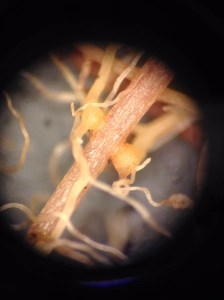
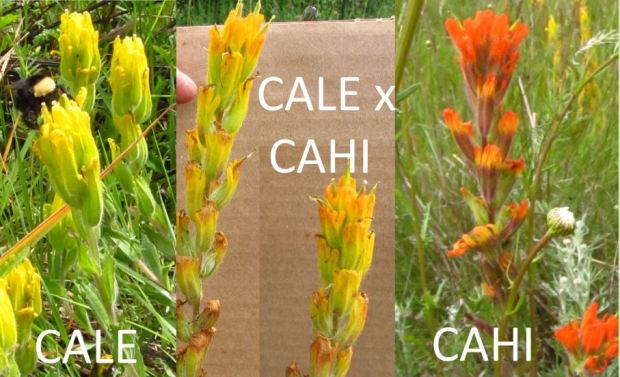
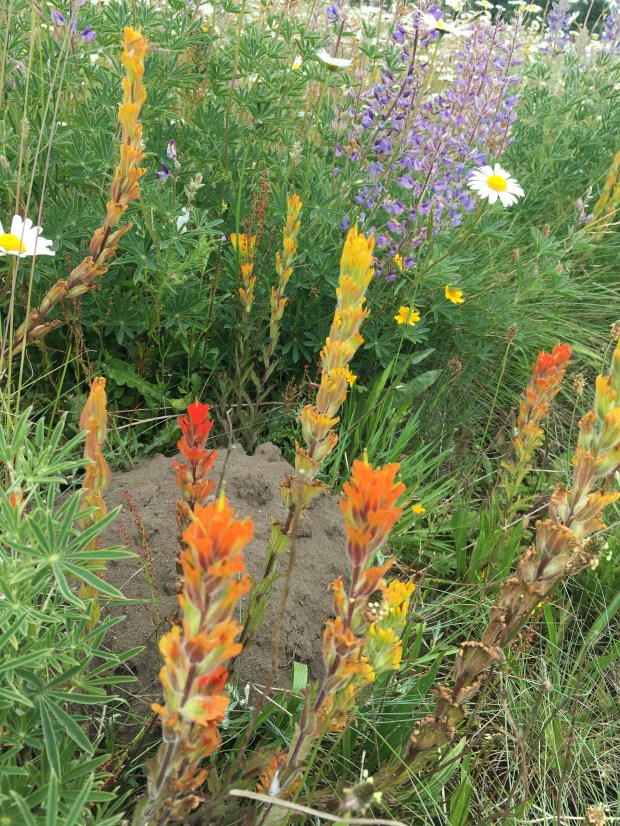
Prior to beginning my graduate research, I worked as a seed germination and viability testing technician in the TRE Lab. One of our projects focused on testing the viability of putative hybrid Castilleja levisecta × Castilleja hispida seeds. And why did we care about germination rates for these hybrid seeds? Castilleja levisecta and Castilleja hispida are both native Puget Sound prairie species, but the former, as of 2018, was considered threatened, while the latter was not. South Sound prairie restoration experts initially did not realize that these two species would hybridize if seeded together on the abandoned agricultural land the experts were restoring to native prairie habitat. I won’t get into the weeds (ha!) of what constitutes a distinct species or what hybridization might mean for the funding of species recovery efforts. Suffice it to say that land managers and researchers were alarmed to see Castilleja plants with suspicious intermediate traits popping up. See, Castilleja levisecta has yellow bracts, and the bracts tend to be more tightly closed. In contrast, Castilleja hispida typically has open reddish bracts (though colors can range from red to orange or even orange-yellow). The two species also have noticeable differences in leaf morphology. These putative hybrids exhibited intermediate traits in bract and leaf morphology, bract color, and bract openness.
This situation resulted in further research on hybridization between these two species. In the years since, land managers and researchers have been vigilant about locating any C. hispida or putative hybrid plants at a few different South Sound prairie restoration sites. These plants are uprooted for the sake of C. levisecta recovery efforts. It is of course impossible to uproot them all, and it is also impossible to tell whether a putative hybrid is actually a hybrid without genetic testing. In 2015, the TRE Lab shipped putative hybrid leaf samples to researchers at Chicago Botanic Garden (CBG) to better understand the genetic makeup of these plants. The results of the CBG study are presented in this research poster.
The TRE lab cared about knowing the viability and germination rates for seeds of putative Castilleja hybrids so we could better understand the implications of multiple generations of genetic backcrossing for species recovery efforts. If first-generation hybrid seeds are viable and grow to become plants that then hybridize with C. levisecta or C. hispida, what would that mean for C. levisecta conservation efforts? We found that the hybrid seeds are, indeed, quite viable! (See research poster with results.) This may prove to be an important concern for broader Puget Sound species recovery efforts. For example, Dr. Nate Haan found that C. levisecta and C. hispida may differ in their potential to serve as quality hosts for endangered Taylor’s checkerspot butterfly larvae, indicating that hybrids of the two species might also vary in suitability as larval host plants.
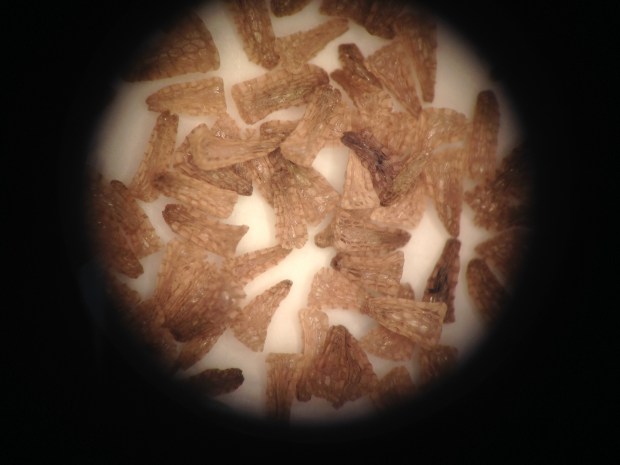
I spent the 2016 and 2017 growing seasons collecting hundreds of leaf samples from marked Castilleja levisecta and Plantago lanceolata plants in my research plots at Glacial Heritage Preserve. I collected leaves during the early, mid, and late growing season in both years, often in cold and rainy weather, which was a challenge, since the leaves had to be stored in paper coin envelopes that rapidly became soggy in heavy rain. On some especially difficult days I collected leaves for 12 hours straight, stopping only for quick meal breaks. I alternated between listening to the sounds of ospreys on the prairie wind and podcasts about cryptocurrencies and blockchain technology. At the end of a sampling day, I would drive more than two hours in horrendous I-5 evening traffic back to the TRE lab while listening to episodes from the archives of The Partially Examined Life. Back at the lab, I would place paper bags filled with coin envelopes of leaves into the lab drying oven, where the leaves would spend several days drying before being pulverized with mortar and pestle by our faithful undergraduate lab technicians, Alishia Orloff and Victoria Fox. The samples were then shipped to the Bowers Lab at University of Colorado for iridoid glycoside concentration analysis.
We were interested in iridoid glycoside concentrations primarily because the larvae of the endangered Taylor’s checkerspot butterfly have developed a tolerance for these plant antiherbivory compounds and are able to sequester the compounds into their own bodily tissues as they devour leaves of the two species I was researching. This appears to render their flesh unpalatable to predators, enhancing their chances of surviving to adulthood.
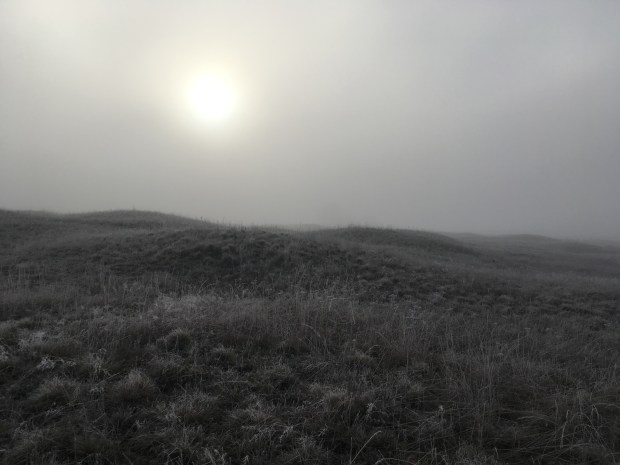
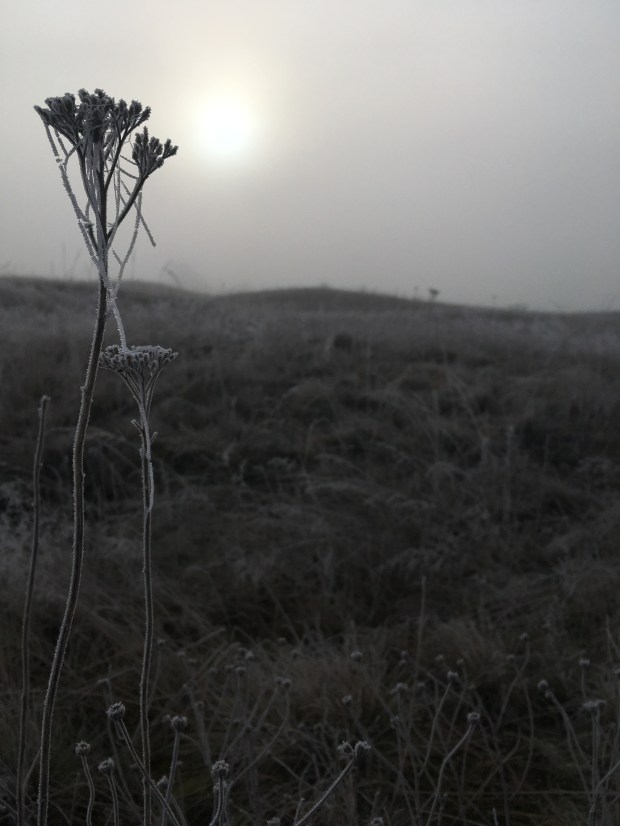
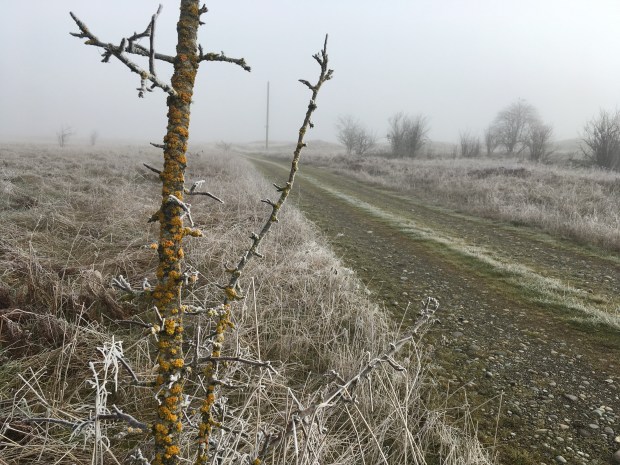
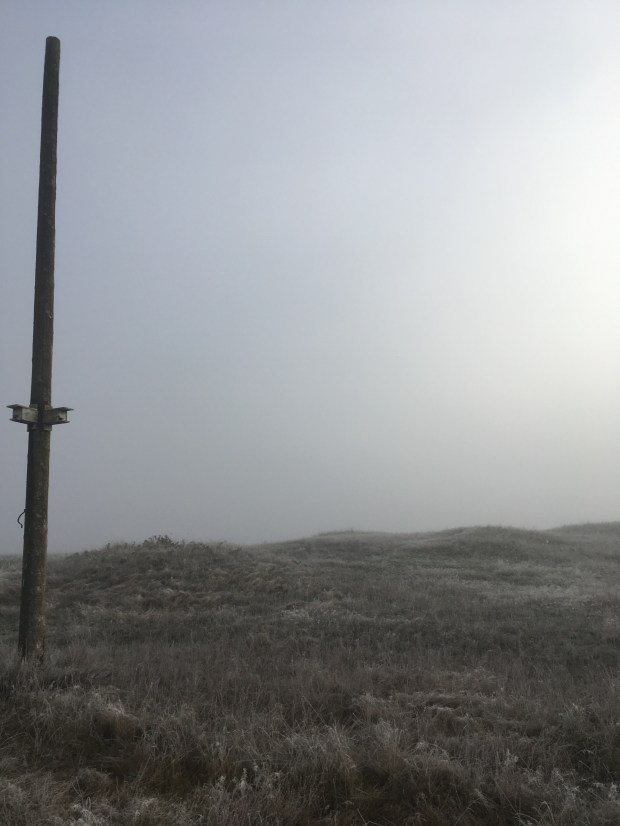
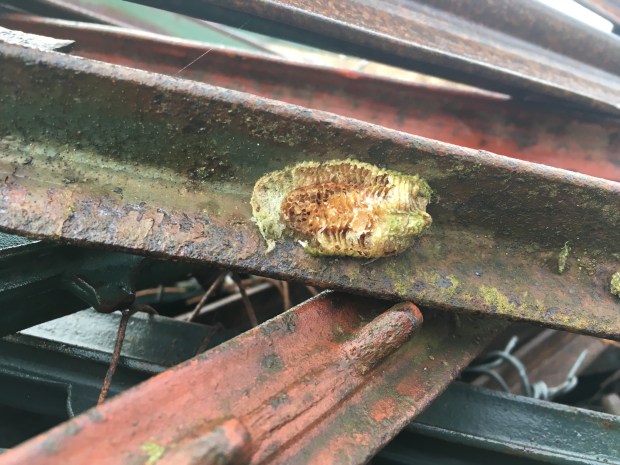
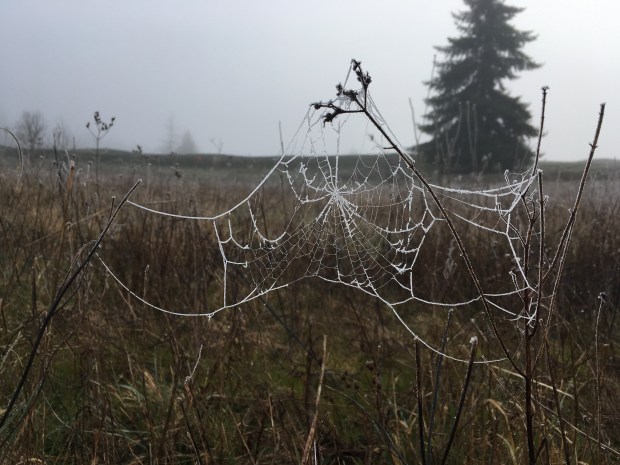
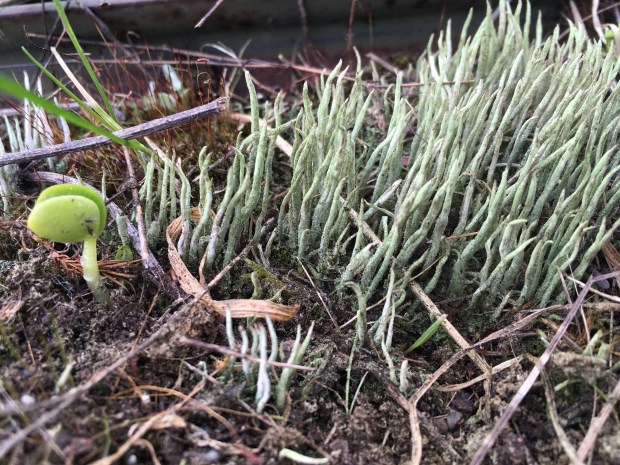
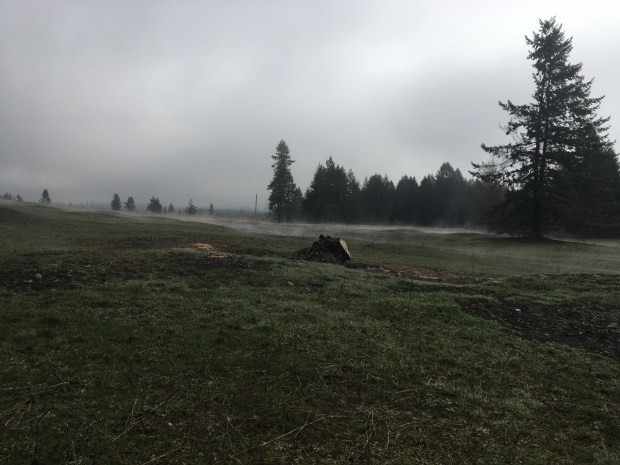
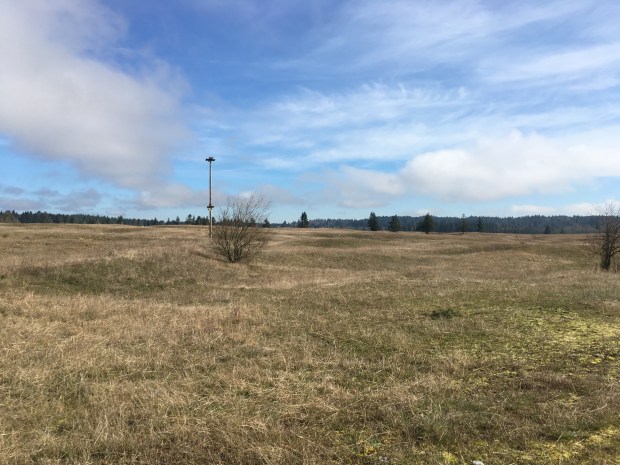
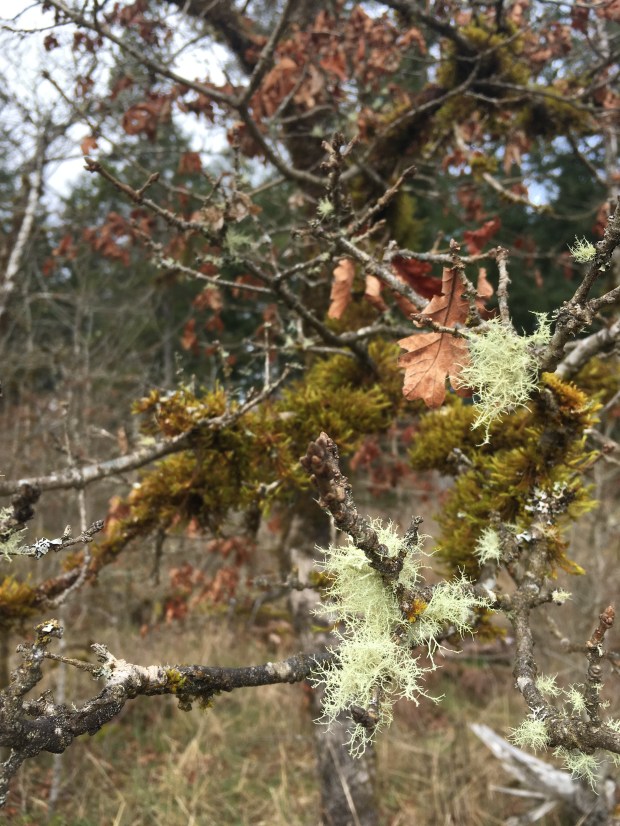
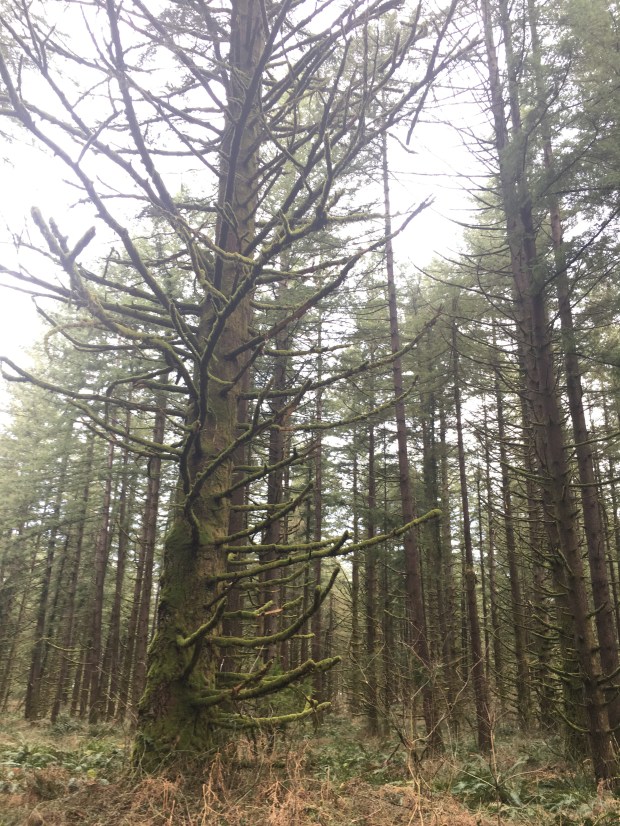
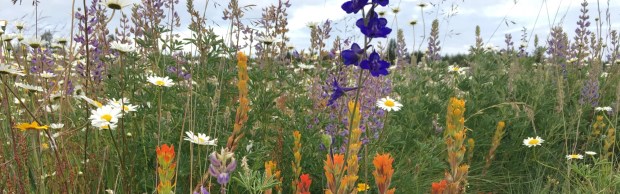
After bursting into tears at least once over malfunctioning R code during the thesis writing process, and with much mentorship from my committee members, I at last managed to wrangle all of my data and field notes into a single imperfect document. In December 2017 I defended my thesis, complete with an ecology musical number that I’m confident my long-suffering advisor will never forget. I then spent the next couple of months working on thesis revisions for my final submission. On March 15, 2018 I finished removing temporary fencing materials from my research plots at Glacial Heritage Preserve. I arrived early in the morning, when it was still cold and frosty. By the time I had finished hauling a pile of heavy iron t-posts out from the plots, the sun had burned off the fog and the prairie looked like an entirely different place. I spent the early afternoon walking to the most distant edge of the preserve where the grassland gives way to Douglas fir forest. Here are my photos from the day.






 Ogma Editing